
Japanese stepping stones aesthetic transcends mere design; it embodies a philosophy of harmony and tranquility deeply rooted in centuries of cultural practice. From meticulously arranged stones in serene gardens to subtle nods in contemporary design, this aesthetic offers a captivating blend of natural beauty and symbolic depth. This exploration delves into the intricacies of this captivating style, examining its key elements, applications, and enduring appeal.
The aesthetic’s visual elements, including the choice of stone types, arrangement, and use of light and shadow, all contribute to the overall emotional impact. We’ll examine how this aesthetic has evolved through time, from traditional Japanese gardens to modern interpretations in diverse design disciplines.
Defining the Aesthetic
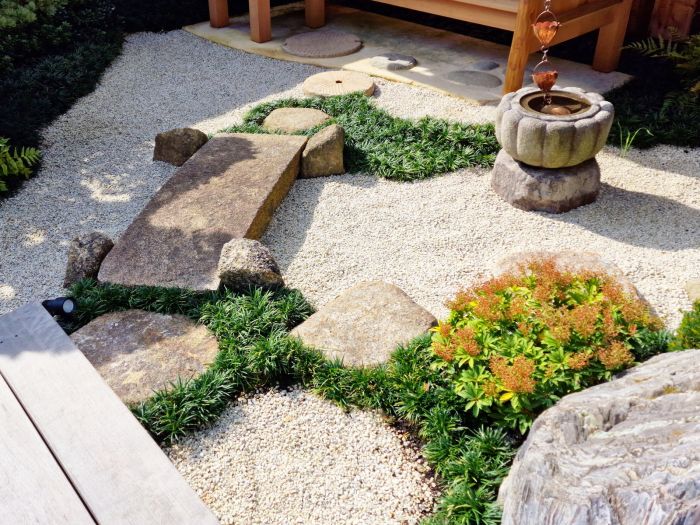
The “Japanese stepping stones aesthetic” evokes a serene and minimalist approach to design, drawing inspiration from traditional Japanese principles and craftsmanship. It’s characterized by a subtle beauty that emphasizes natural forms and harmonious balance. This aesthetic transcends mere decoration, reflecting a deeper cultural appreciation for simplicity and the inherent beauty of the natural world.
Visual Elements
This aesthetic relies on carefully selected visual elements that create a sense of tranquility and connection with nature. Key elements include the use of natural materials, muted color palettes, and meticulously crafted details. The aesthetic aims to create a sense of calmness and harmony, inviting contemplation and appreciation for the surrounding environment.
Colors
The color palette commonly associated with the Japanese stepping stones aesthetic is muted and often earthy. Subtle shades of beige, gray, and brown are frequently employed, evoking a sense of tranquility and connection to nature. Accents of deeper colors, such as muted greens, blues, and purples, are sometimes incorporated to add depth and complexity without disrupting the overall harmony.
These colors are often inspired by the natural landscapes of Japan, such as the serene tones of a misty forest or the soft hues of a tranquil mountain valley.
Textures
The Japanese stepping stones aesthetic often utilizes natural textures to create a sense of authenticity and connection with the environment. Materials such as wood, stone, and bamboo are frequently employed, showcasing their inherent beauty and tactile qualities. The use of natural textures is central to the aesthetic, emphasizing the beauty of imperfections and the unique characteristics of each material.
This emphasis on natural textures evokes a sense of warmth and authenticity, reflecting the Japanese appreciation for the natural world.
Patterns
Patterns in this aesthetic are typically understated and inspired by nature. Subtle repeating patterns, such as those found in bamboo groves or the intricate designs on traditional Japanese textiles, are frequently incorporated. These patterns add visual interest without overwhelming the viewer. They often serve as a subtle nod to traditional Japanese artistry, adding depth and complexity to the overall design.
Examples include subtle, organic motifs, or geometric designs, reflecting the intricate details found in Japanese architecture and art.
Cultural and Historical Influences
This aesthetic draws heavily from centuries of Japanese art and design traditions. The emphasis on simplicity, natural materials, and harmonious balance are core principles of traditional Japanese aesthetics, such as
- wabi-sabi*. This philosophy emphasizes the beauty of imperfection, impermanence, and the natural world. Furthermore, the use of natural materials and the focus on craftsmanship reflect the deep respect for nature and the value of meticulous work prevalent in Japanese culture. The aesthetic’s appreciation for tranquility and the inherent beauty of the natural world is also rooted in the Japanese appreciation for Zen gardens and the concept of
- shibui*, which embodies a sense of understated elegance.
Emotional Impact and Symbolism
The Japanese stepping stones aesthetic evokes a range of emotions, primarily feelings of tranquility, serenity, and contemplation. The understated nature of the design allows the viewer to connect with the environment and appreciate its inherent beauty. The use of natural materials and textures promotes a sense of connection with nature, fostering a sense of peace and well-being. Furthermore, the aesthetic often symbolizes the pursuit of harmony, balance, and a deep appreciation for the natural world.
Visual Elements and Composition
The Japanese stepping stone aesthetic, a contemporary design approach, is defined by its meticulous use of visual elements and careful composition. This approach prioritizes a sense of calm and tranquility, often inspired by natural landscapes and traditional Japanese design principles. It utilizes carefully chosen materials, shapes, and sizes, and masterfully employs negative space, light, and shadow to create a serene atmosphere.This aesthetic frequently incorporates elements that evoke a sense of timelessness and harmony with nature.
The arrangement and placement of stepping stones, along with the selection of colors and materials, play a crucial role in shaping the overall ambiance of the design. The meticulous attention to detail in this approach creates a visual experience that is both captivating and deeply relaxing.
Types of Stepping Stones
The choice of materials for stepping stones is pivotal in establishing the aesthetic. Different materials lend distinct characteristics to the design.
| Material | Shape | Size | Characteristics |
|---|---|---|---|
| Stone (various types, e.g., granite, basalt, slate) | Rectangular, square, irregular | Varying sizes, often large or medium | Durability, natural texture, earthy tones |
| Concrete | Geometric (e.g., square, rectangular), organic (e.g., flowing curves) | Various sizes, often uniform for a structured look | Versatility, customizable shapes and sizes, potentially polished surfaces |
| Wood (e.g., treated cedar, redwood) | Rectangular, square, or custom-designed | Varying sizes, often smaller and less robust than stone | Warmth, natural texture, organic appeal |
Arrangement and Placement
The arrangement of stepping stones directly influences the design’s flow and visual appeal. Often, a deliberate pattern is established to create a sense of direction and visual interest. The stones are frequently spaced strategically to allow for comfortable movement while maintaining a harmonious design.
- Straight lines or curves:
- Creating a path that guides the eye and the user.
- Symmetry or asymmetry:
- Balanced or unexpected arrangements.
- Grouping and spacing:
- Creating visual focal points and depth in the composition.
Negative Space
Negative space, the area surrounding the stepping stones, plays a critical role in shaping the overall design. Strategic use of negative space creates visual balance and allows the stones to stand out more prominently.
- Contrast and emphasis:
- The stepping stones stand out against the open space, drawing attention to the design.
- Visual hierarchy:
- Negative space helps to guide the eye through the design.
- Openness and tranquility:
- Large expanses of negative space evoke a feeling of calmness and serenity.
Light and Shadow
Light and shadow are instrumental in creating a sense of depth and mood in the design. Natural light is often maximized to enhance the aesthetic’s natural feel.
- Dimensionality:
- Variations in light and shadow give the stepping stones a three-dimensional quality.
- Mood and atmosphere:
- The interplay of light and shadow can create a warm or cool, serene or dramatic mood.
- Texture enhancement:
- Shadows highlight the texture of the stones, making them more visually appealing.
Color Palettes
Color palettes are meticulously chosen to enhance the design’s overall ambiance. A harmonious blend of colors creates a cohesive and calming aesthetic.
| Color Palette | Description |
|---|---|
| Earthy tones (e.g., browns, grays, beiges) | Evokes a natural, serene atmosphere |
| Muted pastels (e.g., light blues, greens, lavenders) | Creates a sense of tranquility and delicacy |
| Monochromatic (e.g., shades of gray, brown) | Highlights the texture and material of the stones |
Applications and Interpretations
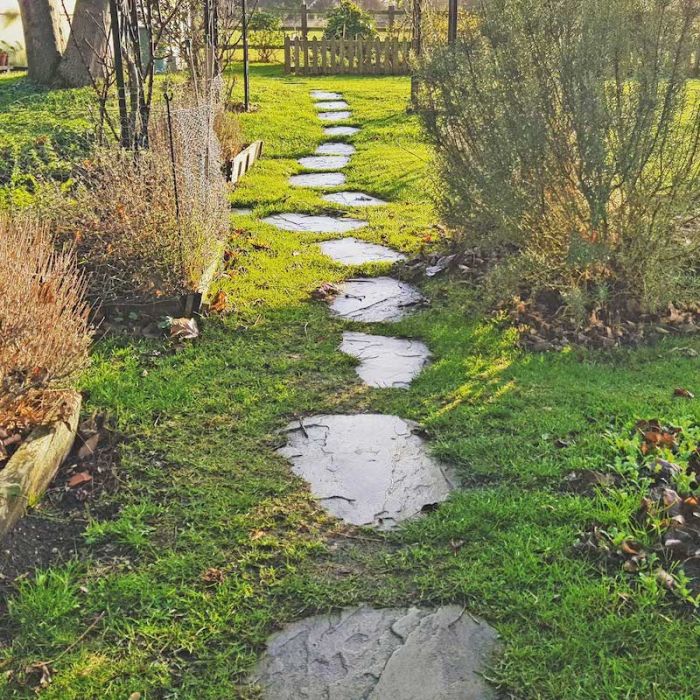
The Japanese stepping stones aesthetic, characterized by its minimalist design, tranquil imagery, and natural materials, transcends the realm of traditional artistry. Its enduring appeal lies in its adaptability, allowing it to seamlessly integrate into diverse design disciplines, from the intimate space of a home to the vast expanse of a landscape garden. This adaptability stems from the core principles of harmony with nature and a focus on creating serene and contemplative spaces.The aesthetic’s versatile nature extends beyond visual appeal.
It subtly conveys a sense of cultural heritage, inviting viewers to reflect on the rich history and philosophy underpinning its creation. This article explores the diverse applications of this aesthetic, from interior design and gardens to fashion and digital art, examining how its essence evolves in both traditional and modern contexts.
Applications Across Design Disciplines
This aesthetic’s adaptability is evident in its application across various design disciplines. The core principles of simplicity, natural materials, and mindful space-making are remarkably transferable.
| Design Discipline | Application Examples |
|---|---|
| Interior Design | Minimalist living rooms featuring polished stone floors, natural wood accents, and strategically placed stepping stones as decorative elements. A serene bedroom incorporating bamboo screens and calming color palettes inspired by Japanese gardens. |
| Gardens | Japanese rock gardens, meticulously arranged with carefully placed stones and gravel, reflecting the principles of Zen. Formal gardens using carefully sculpted stone pathways, mimicking the flow of water, and incorporating miniature landscapes. |
| Fashion | Clothing designs incorporating natural materials like silk and linen, with subtle patterns reminiscent of Japanese textiles. Accessories featuring intricate stone carvings or minimalist metalwork, echoing the aesthetic’s focus on natural forms. |
| Digital Art/Photography | Digital paintings and photographs featuring tranquil landscapes, stylized representations of stepping stones leading to serene locations, or close-up shots of natural materials like bamboo or wood. The use of muted color palettes and soft lighting to create a calming atmosphere. |
Traditional vs. Modern Interpretations
The Japanese stepping stones aesthetic’s evolution reflects the interplay between tradition and modernity. While the fundamental principles of harmony and nature remain constant, contemporary interpretations often incorporate modern materials and techniques without sacrificing the aesthetic’s core values.
- Traditional interpretations prioritize natural materials, precise craftsmanship, and a deep connection to the past. For example, traditional Japanese gardens utilize materials like carefully chosen stones and gravel, reflecting a strong sense of cultural heritage.
- Modern interpretations often embrace innovative materials and contemporary design approaches. This includes integrating concrete or polished metal into stepping stone designs, while still maintaining the emphasis on minimalist aesthetics and tranquil environments.
Cultural Contextual Interpretations
The aesthetic’s universal appeal lies in its ability to transcend cultural boundaries. While rooted in Japanese tradition, the core principles of serenity and mindfulness resonate with global audiences.
- The emphasis on simplicity and natural forms finds resonance in minimalist design movements across the globe.
- The aesthetic’s focus on harmony with nature speaks to a growing global appreciation for sustainable and environmentally conscious design practices.
- The tranquil and contemplative atmosphere created by this aesthetic fosters a sense of peace and well-being, appealing to individuals seeking moments of introspection in a fast-paced world.
Materials and Craftsmanship
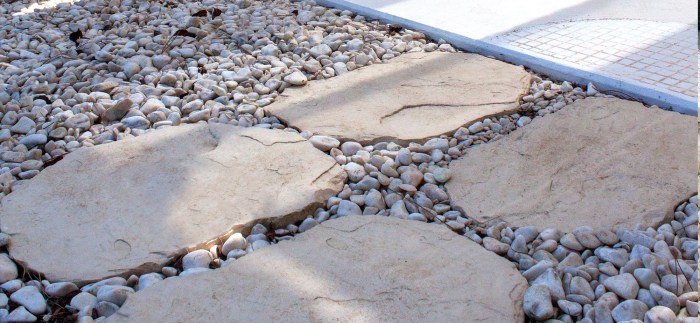
Traditional Japanese stepping stones often leverage the beauty of natural materials, showcasing the country’s deep respect for the environment. This aesthetic, extending beyond mere functionality, reflects a philosophy of harmony with nature, using materials that age gracefully and integrate seamlessly into the landscape. This careful consideration of materials and craftsmanship speaks volumes about Japanese aesthetics, encompassing artistry and cultural values.Natural materials, like carefully selected river stones, are frequently employed for their unique textures and inherent beauty.
Modern adaptations of this aesthetic often seek to replicate the natural look and feel of these traditional materials through sophisticated synthetic counterparts.
Traditional Materials
Japanese stepping stones frequently utilize locally sourced, naturally occurring materials, often river stones or volcanic rock. These stones are carefully chosen for their shape, color, and texture, highlighting the artistry of natural formations. The selection process often involves a keen eye for visual harmony, striving for balance and visual interest. These stones are often polished or smoothed through natural processes or through traditional methods of hand-finishing.
Modern Materials
Modern alternatives offer versatility and enhanced durability. Concrete, with its moldable nature, allows for intricate designs and custom shapes that can mimic the forms of natural stones. Durable composite materials, such as recycled plastic composites, offer a modern, eco-conscious alternative, replicating the look and feel of natural stone. These modern materials can withstand harsher weather conditions and potential wear, while also maintaining the aesthetic appeal of the traditional Japanese stepping stone.
Craftsmanship and Techniques
Traditional craftsmanship involves meticulous selection and shaping of natural materials. The process often involves hand-polishing and smoothing techniques to refine the stones’ surface, emphasizing the natural contours and texture. This emphasis on hand-work often results in unique variations in each stone, adding a sense of authenticity and individuality to the final piece. Modern approaches incorporate precise molding and casting techniques for concrete and composite materials, achieving a similar level of detail in terms of texture and shape.
Natural vs. Artificial Materials
The aesthetic of natural materials in stepping stones emphasizes the raw beauty and organic forms of nature. Artificial materials, on the other hand, offer greater control over design and durability. Both approaches, however, aim to achieve a harmonious integration into the surrounding landscape, respecting its natural character. The key is to replicate the natural aesthetic, whether through the use of natural materials or synthetic equivalents.
A subtle difference lies in the texture, as natural stones will have inherent variation and unique surface characteristics, while modern materials may need specific surface treatments to mimic these.
Texture and Surface Details
Texture and surface details are paramount in shaping the aesthetic of Japanese stepping stones. The varied textures of natural stones, from smooth polished surfaces to rough, weathered edges, contribute significantly to the overall visual appeal. Modern materials, to achieve a similar aesthetic, often incorporate textures through specialized molding, finishing, and staining techniques, aiming for a similar depth and complexity.
The incorporation of subtle variations in texture, depth, and color is vital to creating an engaging and visually compelling stepping stone design, regardless of the material.
Symbolism and Meaning
Stepping stones, a ubiquitous feature in Japanese landscapes, transcend their practical function. More than mere pathways, they embody profound cultural and philosophical concepts, deeply rooted in the nation’s aesthetic appreciation of nature and its emphasis on harmony. This symbolism permeates various aspects of Japanese life, from garden design to personal philosophy.The stones, often meticulously placed and shaped, are imbued with rich symbolic meaning.
Their arrangement evokes a sense of balance, tranquility, and the gentle passage of time, mirroring the cyclical nature of life itself. This focus on balance and harmony extends beyond the physical realm, influencing the very ethos of Japanese society.
Symbolism of Stones and Stepping Stones
Stones, in Japanese culture, hold a special significance. Their inherent strength and permanence symbolize resilience and enduring stability. Stepping stones, in particular, represent the journey through life’s various stages. The act of stepping across these stones implies a gradual progress, a measured advance towards a destination. This concept of gradual progression and mindful advancement is a core element of Japanese culture.
The carefully chosen placement of stones in gardens, for example, often reflects a deeper understanding of this symbolic language.
Balance, Harmony, and Tranquility
The Japanese aesthetic prioritizes balance and harmony, both within the natural world and within human interactions. Stepping stones, by their very nature, embody this principle. Their placement often suggests a thoughtful consideration of the environment, reflecting the Japanese concept ofwa* (harmony). This balance, mirrored in the careful design of traditional gardens, contributes to a sense of tranquility and contemplation.
The meticulous arrangement of stepping stones within these spaces invites introspection and mindfulness, promoting a deeper connection with the natural world.
Role of Nature and the Natural World
The aesthetic of stepping stones is inextricably linked to the natural world. The stones themselves are often chosen for their natural beauty and unique characteristics, highlighting the appreciation of natural materials. The integration of stones into gardens emphasizes the harmonious coexistence between humans and nature. The meticulous care in selecting and placing these stones reflects a deep respect for the environment, embodying a fundamental principle in Japanese culture.
The stones become part of a larger ecosystem, a visual representation of the interdependence between humans and nature.
Interpretations of the Aesthetic
The aesthetic of stepping stones lends itself to various interpretations, both cultural and personal. From a cultural perspective, it reflects the Japanese emphasis on simplicity, mindfulness, and the pursuit of inner peace. For an individual, stepping stones might symbolize personal growth, a journey towards self-discovery, or a path of resilience. The visual and symbolic elements combine to create a profound and multifaceted experience.
- Cultural Interpretations: The aesthetic often reflects the philosophical principles of Zen Buddhism, emphasizing mindfulness and the acceptance of impermanence. The careful arrangement of stones can be seen as a meditation on the interconnectedness of all things.
- Personal Interpretations: Stepping stones can symbolize a person’s journey through life, each stone representing a significant event or lesson learned. The careful progression across the stones represents the conscious choices made along the way. These personal interpretations are deeply connected to the individual’s experiences and aspirations.
Reflection of Japanese Philosophy and Values
The Japanese aesthetic of stepping stones encapsulates core values of the culture. The emphasis on balance, harmony, and the integration of nature reflects the deep-seated respect for the natural world and the importance of mindfulness. This philosophy extends beyond gardens and into daily life, influencing everything from design principles to social interactions. The meticulous attention to detail in the placement of stones epitomizes the Japanese dedication to craftsmanship and the pursuit of aesthetic perfection.
This dedication is not merely an aesthetic choice but a reflection of a broader cultural philosophy.
Modern Adaptations
The Japanese stepping stones aesthetic, rooted in centuries-old traditions, possesses a timeless quality that resonates deeply with modern sensibilities. Its emphasis on natural materials, meticulous craftsmanship, and symbolic meaning allows for compelling adaptations to contemporary contexts. This adaptability stems from the aesthetic’s inherent flexibility and its ability to speak to universal themes of harmony, balance, and connection with nature.Modern interpretations of this aesthetic embrace innovation and technology without sacrificing the core values of the original design.
By integrating traditional principles with contemporary approaches, designers can create spaces that are both beautiful and functional, deeply connected to the environment, and imbued with a sense of history.
Modern Applications Table
This table demonstrates the adaptability of the Japanese stepping stones aesthetic to diverse modern contexts.
| Context | Adaptation | Example |
|---|---|---|
| Architecture | Integrating stepping stones motifs into pathways, courtyards, and gardens. Using natural materials like polished stone and wood in contemporary building designs. | A modern residential home featuring a zen-like courtyard with carefully placed stone stepping stones that lead to a water feature. The home’s exterior design uses a combination of sleek lines and natural materials. |
| Interior Design | Incorporating stepping stones motifs into flooring patterns, wall art, or decorative accents. Using natural materials and calming color palettes. | A minimalist living room featuring a custom-designed stone stepping stone pattern on the floor. The room’s color palette is muted, with natural wood tones and calming greens. |
| Fashion | Utilizing the aesthetic’s principles of minimalism and natural forms in clothing design. Employing subtle patterns inspired by stepping stone arrangements. | A contemporary fashion line featuring garments with subtle patterns resembling stepping stones or the flow of natural water. The color palette might incorporate natural earth tones. |
| Graphic Design | Using stepping stones as a design element in logos, illustrations, and branding materials. Evoking a sense of tranquility and serenity. | A company logo featuring a stylized stepping stone design, representing the company’s commitment to mindful growth and progress. |
Integration into Contemporary Designs
The Japanese stepping stones aesthetic seamlessly integrates into contemporary designs through careful consideration of scale, material selection, and spatial arrangement. The emphasis on minimalism and natural materials allows the aesthetic to complement diverse design styles, from modern to traditional. Clever use of lighting and texture can further enhance the aesthetic’s appeal in modern settings.
Examples in Contemporary Art and Architecture
Contemporary artists and architects have embraced the Japanese stepping stones aesthetic in various projects. One example might be a modern sculpture garden that uses large, polished stones arranged in a carefully planned pattern, creating a sense of calm and serenity. Another instance could be a minimalist architectural design incorporating carefully placed stone pathways, mimicking the serene atmosphere of a traditional Japanese garden.
Technological Incorporation
Technology can enhance the Japanese stepping stones aesthetic by allowing for more intricate designs and dynamic displays. Digital projections can be used to overlay patterns onto stepping stones, creating an interactive and engaging experience. Automated systems can regulate water features and lighting to complement the stepping stones, making them dynamic in nature. 3D printing could be used to create complex, custom stepping stone designs.
Accessibility and Inclusivity
Adapting the aesthetic to be more accessible and inclusive involves careful consideration of material selection and design choices. Using materials that are both durable and easily accessible can make the aesthetic more inclusive. Creating designs that are adaptable to varying needs and abilities will help the aesthetic to reach a broader audience. Designs should be carefully planned to avoid barriers that would make the experience less enjoyable.
Contrasting Styles
The Japanese stepping stones aesthetic, characterized by its meticulous design, natural materials, and profound symbolism, stands apart in the broader Asian artistic landscape. Its unique approach to composition and material selection differentiates it from other regional styles. Understanding these contrasts reveals the depth and originality of this aesthetic.The Japanese stepping stone aesthetic, often rooted in Zen principles, diverges from other Asian styles, such as the ornate decorative traditions of some Southeast Asian countries or the bold, often figurative art of certain Chinese traditions.
This distinct style emphasizes minimalism and serenity, prioritizing natural elements over elaborate embellishment. It contrasts sharply with styles that embrace overt displays of wealth or symbolism. Similarly, it stands apart from purely minimalist aesthetics, which can sometimes lack the emotional resonance and profound cultural context found in the Japanese tradition. This careful consideration of context and materials is a key differentiator.
Comparison with Other Asian Aesthetics
The Japanese stepping stone aesthetic, with its emphasis on understated elegance and natural materials, contrasts with the vibrant colors and intricate designs often seen in other Asian aesthetics. While some shared elements might exist, the primary focus differs. For instance, while both Korean and Japanese aesthetics value nature, the Japanese aesthetic often prioritizes a more introspective, meditative experience.
Likewise, the intricacy and symbolic richness of some Southeast Asian art forms stand in contrast to the restrained elegance of the Japanese stepping stone aesthetic.
Distinction from Minimalist and Rustic Styles
The Japanese stepping stone aesthetic, while embracing minimalism in its form, differs significantly from other minimalist styles. Minimalism in this context isn’t merely about reducing elements but also about crafting a powerful sense of place and contemplation. The careful selection of materials and the integration of symbolism provide a rich context absent in many other minimalist designs. This aesthetic further contrasts with rustic styles, which often prioritize raw, unrefined materials and a more casual aesthetic.
Japanese stepping stones, on the other hand, showcase meticulous craftsmanship and refined material selection, resulting in a distinctly polished and thoughtful design.
Unique Qualities
This aesthetic’s unique qualities stem from its meticulous craftsmanship and the profound symbolic meaning imbued within the design. The careful selection of materials, the precise placement of stones, and the consideration of the surrounding environment contribute to a holistic experience that transcends the purely functional. This focus on a thoughtful, holistic design is absent in many other styles. The use of natural stones and the emphasis on harmony with nature further sets it apart.
Comparison Table
| Characteristic | Japanese Stepping Stones | Minimalist Style | Rustic Style | Southeast Asian Styles |
|---|---|---|---|---|
| Materials | Natural stones, often polished and carefully selected | Various, often stripped of ornamentation | Raw, unrefined materials | Often ornate, sometimes using precious metals or intricate carvings |
| Composition | Meticulously arranged, often with a sense of balance and harmony | Simple, often geometrical, emphasis on negative space | Informal, often clustered or uneven | Intricate, often symbolic, rich in detail |
| Symbolism | Deeply symbolic, often relating to nature, Zen, or spiritual concepts | Often symbolic, but more focused on abstraction | Often tied to the natural environment, representing strength and resilience | Often religious or cultural symbolism |
| Overall Impression | Tranquil, contemplative, and deeply rooted in tradition | Clean, modern, and often abstract | Warm, inviting, and natural | Ornate, vibrant, and often festive |
Influence and Interaction with Other Styles
The Japanese stepping stone aesthetic can be influenced by, and in turn, influence other cultural aesthetics. Its emphasis on natural materials and contemplative design elements could inspire similar design principles in other cultures. Conversely, the Japanese aesthetic may be inspired by the material palettes and artistic motifs present in other Asian regions. The subtle interplay of these influences shapes the unique expression of the Japanese stepping stone aesthetic.
Design Elements
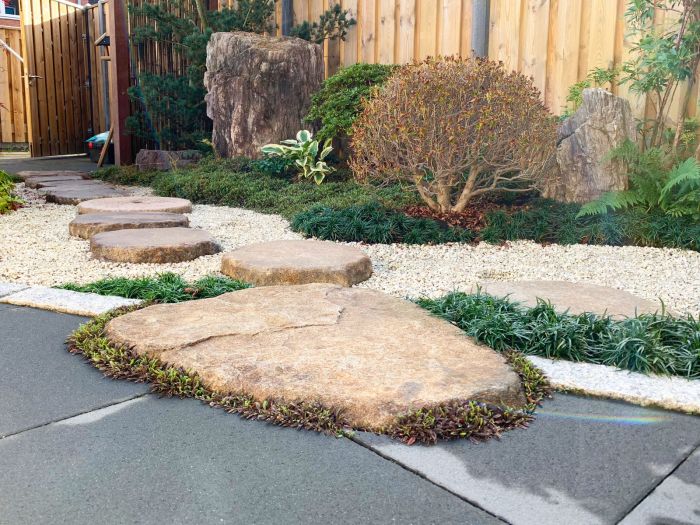
The Japanese stepping stone aesthetic, with its emphasis on serene tranquility and meticulous craftsmanship, relies heavily on carefully considered design elements. These elements work in concert to evoke a sense of harmony and balance, reflecting the underlying principles of Japanese aesthetics. The interplay of lines, shapes, and spaces, combined with carefully chosen color palettes and patterns, contributes to the overall visual impact and emotional response of the design.This aesthetic’s visual language is not simply about aesthetics; it’s about conveying a deeper cultural understanding.
The design choices meticulously crafted, with their nuanced symbolism, speak volumes about the values and philosophies of the culture.
Lines, Shapes, and Forms
The use of lines, shapes, and forms in Japanese stepping stones is highly intentional, often reflecting natural elements or symbolic representations. Straight lines might suggest order and structure, while curved lines might evoke fluidity and natural beauty. Geometric shapes, like circles and squares, are frequently used, often with subtle variations in their proportions. These elements, in their careful arrangement, create a sense of both visual and spiritual balance.
| Element | Description | Examples |
|---|---|---|
| Lines | Straight lines might suggest order, while curved lines evoke natural beauty. | Straight lines in paths, gently curving paths mirroring natural streams. |
| Shapes | Geometric shapes like circles and squares are common, with subtle variations in proportions. | Circles in stepping stones resembling ponds or wells, squares in stone arrangements that mirror grids in gardens. |
| Forms | Forms often reflect natural elements or symbolic representations. | Forms of stones resembling mountains or water features, abstracted forms with a symbolic meaning. |
Space and Negative Space
The careful manipulation of space and negative space is crucial in Japanese stepping stone designs. Negative space, the areaaround* the stones, is as important as the stones themselves. It allows the eye to rest, and it emphasizes the placement and arrangement of the stones, creating a sense of balance and harmony. This principle of ‘ma’ or empty space is a key element of Japanese aesthetics.
The careful juxtaposition of filled and empty spaces creates a dynamic visual experience.
Symmetry and Asymmetry
Symmetry is often present in Japanese stepping stone designs, but asymmetry is equally valued, creating a sense of natural movement and visual interest. The use of asymmetry, when employed, is not random; it adds a sense of dynamism and avoids rigidity, often mirroring the unevenness of natural landscapes.
Color Palettes and Patterns
Color palettes in Japanese stepping stones designs are often muted and natural, mirroring the colors of the surrounding environment. Natural earth tones, like browns, grays, and beiges, are predominant, while subtle accents of green or other natural colors might be introduced. Patterns, when present, are often subtle and based on natural forms. This understated approach allows the forms of the stones themselves to be the focal point.
Examples of Design Elements
- Natural stone palettes: The use of natural stones, with their varied textures and colors, is a common feature. These stones are often chosen for their inherent beauty and connection to the environment.
- Stone arrangements: Stone arrangements might mimic natural formations, like flowing water or gently sloping hills, to create a sense of natural harmony.
- Pathways: Stepping stone pathways often wind through the landscape, mimicking the natural contours of the environment.
- Balance and harmony: The overall design often aims to create a sense of balance and harmony between the stones and the surrounding environment.
Historical Context
The Japanese stepping stone aesthetic, a meticulous blend of artistry and philosophy, evolved over centuries, deeply intertwined with the nation’s cultural shifts and evolving societal values. From humble beginnings in serene gardens to elaborate displays in imperial palaces, these stones have served as more than just pathways; they’ve become potent symbols of nature’s beauty, spiritual harmony, and cultural heritage.This evolution is reflected in the careful selection of materials, the intricate craftsmanship, and the symbolic meaning imbued in each carefully placed stone.
Understanding this historical trajectory illuminates the aesthetic’s enduring appeal and its profound connection to Japanese history.
Evolution of the Aesthetic
The aesthetic’s genesis can be traced back to the ancient practice of creating pathways and gardens that harmonized with nature. Early stepping stones, often made of readily available materials like river stones or local rocks, were simple in design but carefully positioned to create a sense of balance and flow. The sophistication of the aesthetic evolved alongside the development of Japanese gardens, reflecting shifts in philosophical and aesthetic ideals.
Historical Stepping Stones
Examples of historical stepping stones are abundant, demonstrating the craftsmanship and artistic vision of their time. Early examples often feature natural stones, showcasing the emphasis on simplicity and integration with the surrounding landscape. Later, the use of carefully sculpted stones, often with intricate patterns and carvings, became more prevalent, reflecting the development of a more elaborate aesthetic. Notable examples can be found in various historical gardens and temples across Japan, showcasing the progression of the aesthetic.
Historical Gardens and Landscapes
Japanese gardens, renowned for their meticulous design and harmony with nature, have long incorporated stepping stones as integral components. These gardens, often mirroring the natural landscape in miniature, utilized stepping stones to guide visitors through meticulously crafted spaces. Renowned gardens like the Kenrokuen Garden in Kanazawa or the Ryoan-ji Temple’s Zen garden are prime examples of how stepping stones, integrated into larger landscapes, served as symbolic pathways, reflecting the deep connection between the natural world and the human experience.
Reflection of Cultural Changes
The stepping stone aesthetic mirrored significant shifts in Japanese culture. Early examples reflected a reverence for nature and a focus on simplicity. As society evolved and aesthetic sensibilities changed, the stones became more elaborate, reflecting the influence of Buddhism and other philosophical traditions. The materials used and the craftsmanship employed in the stones provide a glimpse into the societal values and artistic trends of different historical periods.
Role of Materials and Craftsmanship
The materials used in stepping stones, and the craftsmanship applied, reveal much about the historical context. Early stones often reflected the readily available materials of the region. Later examples, especially those found in elaborate gardens, showcase advanced craftsmanship, with stones carefully selected and shaped to enhance the overall aesthetic. The care taken in the selection and treatment of materials highlights the cultural significance and value placed on the aesthetic.
Creating a Visual Guide
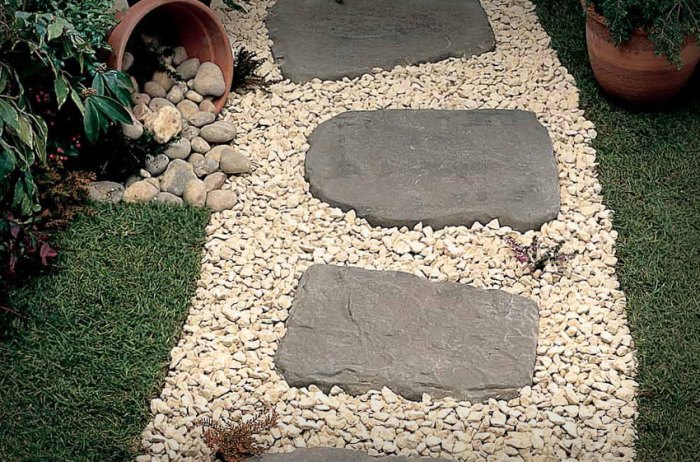
This visual guide provides a practical framework for implementing the Japanese stepping stone aesthetic in diverse settings. It offers a comprehensive look at design elements, material choices, and spatial considerations, ensuring a seamless integration of the aesthetic into any environment. The guide emphasizes clear visual representation, allowing for easier comprehension and practical application.
Defining the Visual Language
The Japanese stepping stone aesthetic, rooted in Zen garden principles, emphasizes simplicity, harmony, and a connection to nature. This aesthetic is characterized by carefully placed stones, often of varying sizes and textures, arranged to create a sense of calm and tranquility. The visual language employs natural materials, muted color palettes, and meticulous attention to detail.
Designing Stepping Stone Gardens
A well-designed stepping stone garden is more than just a collection of stones. It’s a carefully curated microcosm of nature, showcasing the beauty of simplicity. The arrangement should evoke a sense of peace and contemplation.
| Setting | Design Element | Description | Implementation Steps |
|---|---|---|---|
| Small Patio | Stone Selection | Choose stones with varied shapes and sizes, creating visual interest without overwhelming the space. Consider natural stone tones like gray, brown, or beige, complementing the surrounding environment. | 1. Measure the patio area. 2. Select stones that fit within the available space, allowing for a comfortable walking path. 3. Arrange the stones in a staggered pattern, ensuring good traction. |
| Large Garden | Pathway Design | Create winding pathways that encourage exploration and contemplation. The pathways should lead to focal points, such as a water feature or a small shrine. | 1. Establish the desired pathway’s length and width. 2. Arrange stones in a meandering pattern. 3. Incorporate natural elements like plants and shrubs to enhance the aesthetic. |
| Rooftop Terrace | Minimalist Approach | Emphasize the natural beauty of the stones and the surroundings. Use minimal ornamentation. | 1. Ensure the rooftop can handle the weight of the stones. 2. Arrange stones to create a visually appealing pattern, considering the roof’s shape and slope. 3. Limit plants to those suitable for rooftop environments. |
Incorporating Other Design Elements
Beyond stepping stones, the aesthetic integrates other key elements. For instance, the use of gravel, sand, and carefully chosen plants complements the stone arrangement, creating a tranquil atmosphere.
- Gravel and Sand: Fine gravel or sand, often raked into patterns, can add visual texture and enhance the sense of serenity. This technique is often used in Zen gardens, where the raked patterns symbolize the ever-changing nature.
- Plants: Select low-growing plants that blend harmoniously with the stones. Consider ferns, moss, or small flowering shrubs that complement the natural palette and don’t overshadow the stonework.
Creating a Visual Harmony
The overall effect aims for visual harmony and balance. The arrangement of stones, the color palette, and the incorporation of other natural elements should work together to create a tranquil and serene atmosphere. The key is to achieve a balance between order and natural irregularity.
- Color Palette: A muted color palette of grays, browns, and beiges is typical, echoing the natural environment. Accents of darker stones or strategically placed plants can provide focal points without disrupting the overall harmony.
- Lighting: Soft, diffused light, such as natural sunlight filtered through trees or strategically placed lanterns, can enhance the atmosphere and highlight the beauty of the stones and surrounding elements.
Last Word
In conclusion, the Japanese stepping stones aesthetic is a multifaceted design language that blends cultural heritage with contemporary applications. Its enduring appeal lies in its ability to evoke a sense of serenity and harmony, using carefully considered visual elements and symbolic meaning. From traditional gardens to modern interior design, the enduring power of this aesthetic continues to captivate and inspire.
